WORDS + IMAGES

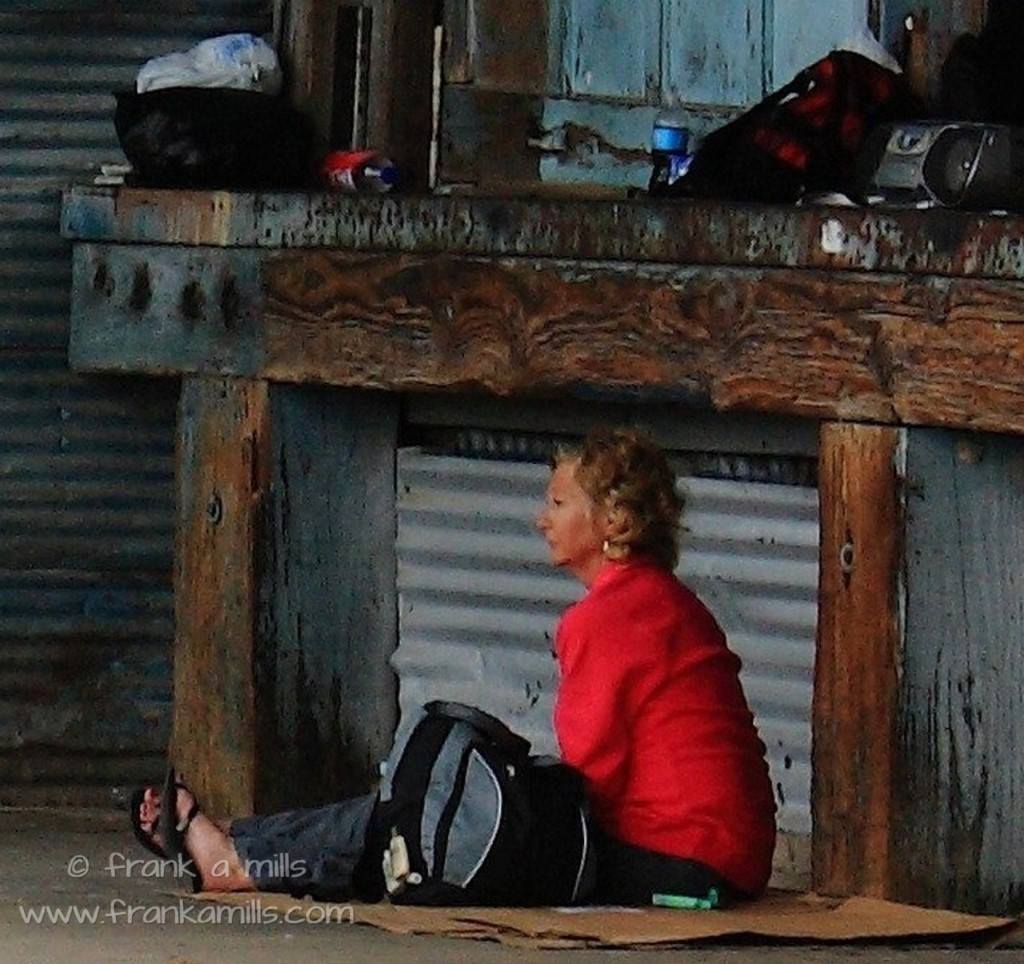
Homelessness & Females
38% of the homeless are women
The experience of homelessness is especially hard for a women.
No matter the reason for homelessness, homelessness experienced by females is often made all th4e more difficult by the experience of gender-based violence. Sometimes the violence is domestic, but it might also include dating violence, stalking, human trafficking and sexual assault. And much of it is afflicted on the streets. The violence is experienced by both cisgender and transgender women.
Due to longstanding systemic racism and sexism, women’s homelessness is disproportionately experienced by BIPOC and LGBTQIA+ communities.
Over time, women’s wealth compounds at a lower rate compared to men due to persistent pay gaps, resulting in higher rental cost burdens and housing instability. Though younger women are facing higher rates of first-time homelessness, gendered wealth disparities also force older women, no longer able to afford the cost of living, into homelessness. Older women face more chronic health conditions and, on average, die 35 years prematurely. Due to longstanding systemic racism and sexism, women’s homelessness is disproportionately experienced by BIPOC and LGBTQIA+ communities.
Unaccompanied women now make up 29% of all unhoused individuals in America today. Since HUD began to disaggregate data by gender in 2015 the percentage of individual women experiencing homelessness has risen dramatically. According to the 2019 AHAR, 53% of all unhoused women are unaccompanied, compared to 45% in 2015, for a total of 115,635 women nationwide.
While different studies come up with different figures they are in agreement that unaccompanied homeless women make up an estimated 68% of the homeless population, and that the number is growing. Unfortunately, for the most part this segment of the homeless populations garners the least attention and support.
In regard to unhoused female youth it is hard to get a number as the studies use different criteria for identification. However, it appears that about 39% of all homeless youth are females. Young females are more apt to seek assistance from a shelter than are males. One out of every three that identify as LGBTQIA+ are refused shelter.
Source:
1. National Alliance to End Homelessness