WORDS + IMAGES

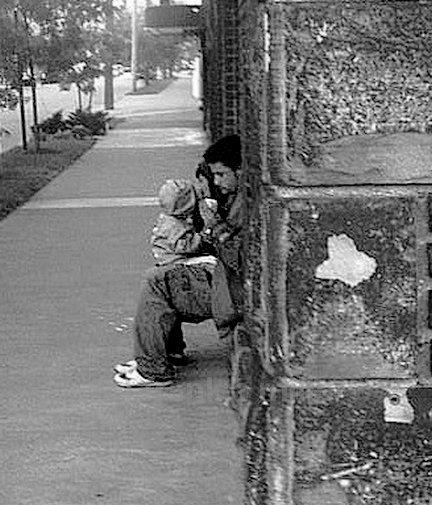
Homelessness & Families
Between 2010–2022, the number of veterans experiencing homelessness has dropped by 55.3 percent. However, the number of veterans experiencing homelessness has increased by 7 percent between 2022 and 2023.
On a single day in January (2023) ...
An estimated 186,084 people in families — or 57,563 family households — were identified as homeless.
Approximately 17,385 people in families were living on the street, in a car, or in another place not meant for human habitation.
Why Do Families Experience Homelessness?
Families experiencing homelessness are similar to other families that are also poor, but who have a home to live in. Both may struggle with incomes that are far less than they need to pay for housing. A lost job or reduced work hours, large medical (or other) bill or family conflict is often all that's needed to upset the precarious balance. Many of the homeless mothers with children are homeless because of domestic violence.
Homeless families are usually headed by a single woman with limited education, are typically young, and have young children. However, in recent years there are more and more homeless families that are an intact family with mother and father.
When compared to low-income and homeless families, children experiencing homelessness have been shown to:
Have higher levels of emotional and behavioral problems.
Have increased risk of serious health problems.
Are more likely to experience separations from their families.
Experience more school mobility, repeat a grade, be expelled or drop out of school, and have lower academic performance.
Ending Homelessness for Children and Families
Obviously, housing is the solution to end homelessness for low-income families. The actual amount of housing provided inconsistently varies from place to place, and often is only temporary shelter housing. What is needed is assistance to help families rapidly reconnect to permanent housing. The help needed includes help with the housing search, financial assistance, and case management services that help families quickly transition out of shelter and back into housing of their own. Some families families may require more intensive and/or long-term support—transitional housing, permanent rental assistance, or permanent supportive housing. Homeless families will also benefit from connection to other supports support systems, such as child care, employment assistance, early childhood services, income support and mental health counseling.
Source:
1. National Alliance to End Homelessness